
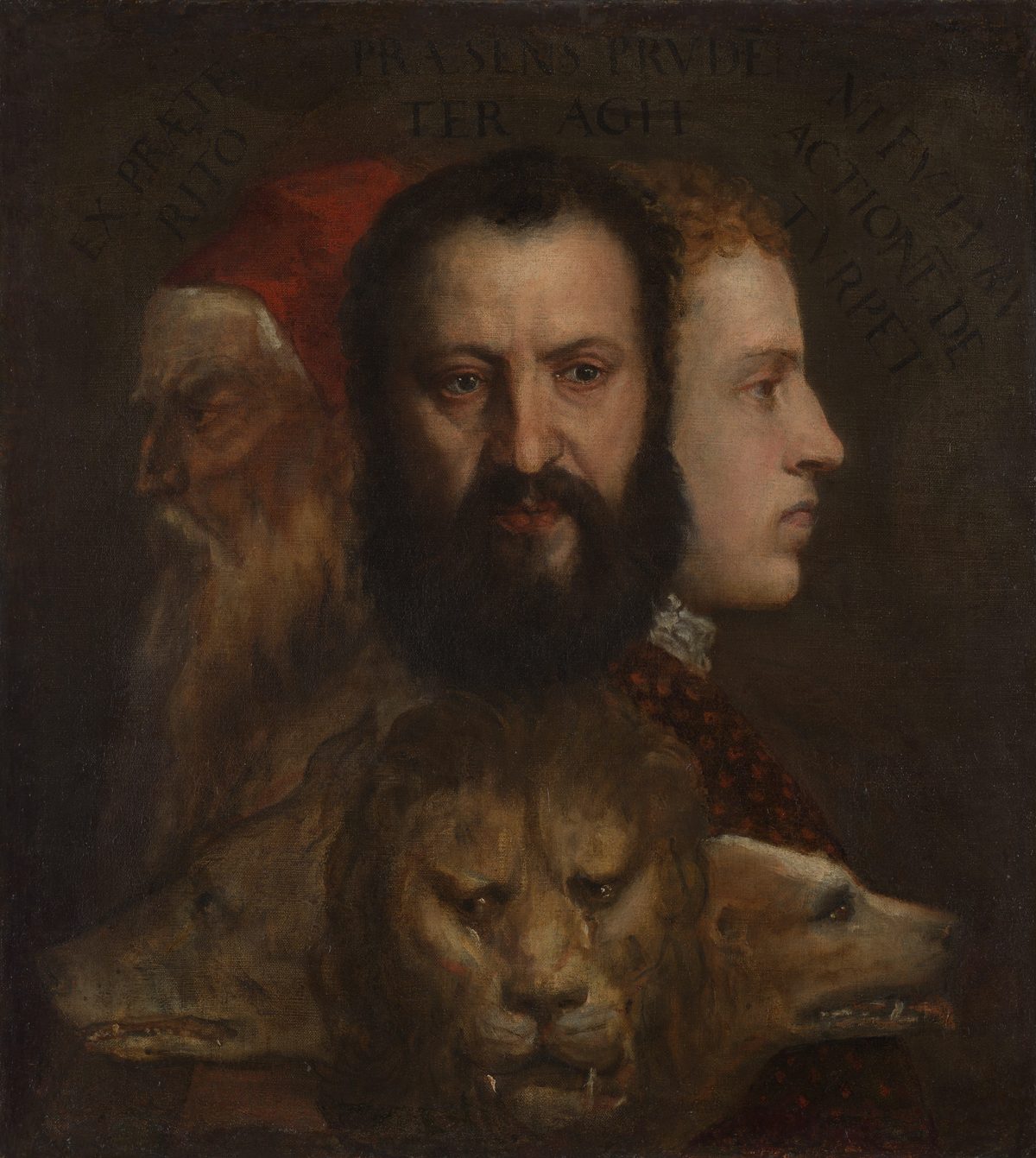
I am a mother of four building a technology company inside the life I already have.
I build at the park while my children play.
At library tables with them moving around me.
At the California Academy of Sciences and the Bay Area Discovery Museum while they run from one exhibit to another.
Beside sandboxes. Between appointments. During naps that could and should be longer.
I build while making dinner, sometimes with my laptop literally balanced on top of the air fryer.
And some nights I work until my husband starts waking up for work, which is usually my sign that I should probably go to bed.
I do not have an office.
I do not have a college degree.
I do not know how to code.
I do not have a technical team or a pile of money behind me.
I am building inside motherhood because there is no separate, quiet life waiting for me where all of the conditions will finally become convenient.
But motherhood is not an obstacle sitting around the work.
It is the foundation of the work.
I am building because I am a mother.
Because I have children.
Because the future belongs to them.
Artificial intelligence is not going away. We have entered a new era, and I do not believe there is any meaningful way to return to the world that existed before it.
This may become one of the largest changes in human life since the Industrial Revolution.
It will change how our children learn, work, create, communicate, find information, and understand what is real. It may shape the systems that make decisions about their education, health, employment, money, rights, and opportunities.
I want that technology to be available to ordinary people, not only corporations, wealthy families, engineers, and people who already know how to navigate complicated systems.
I want AI to carry some of the mental load families are already drowning beneath.
I want it to give people back time to live, care for one another, rest, make things, and be with their children.
I do not want it to take away their choices, replace human judgment where it still matters, or quietly make decisions about their lives without their knowledge.
I want our relationship with this technology to be healthy.
And yes, to put it in the language of the movies, I do not want my children growing up to become John Connor while I am Sarah Connor, fighting a future we could already see coming. 🤣
I do not believe that future is inevitable.
But avoiding it requires more than teaching AI to obey.
It requires humans to be honest about the power we are creating, the authority we are granting, the incentives we are designing, and the responsibility we still carry.
That is why my Journal is filled with artwork that is hundreds of years old.
The technology is new.
The human questions are not.
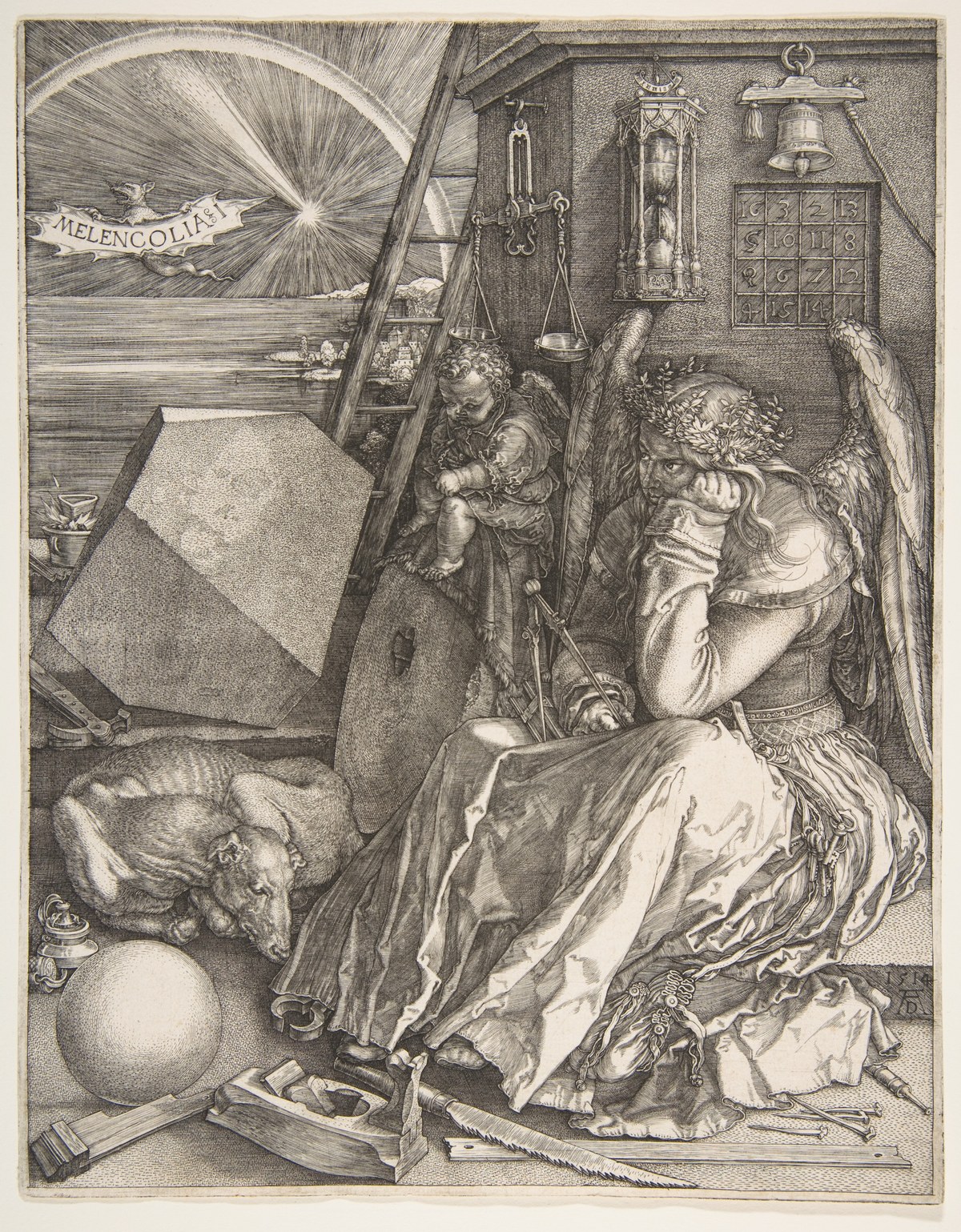
In Albrecht Dürer's Melencolia I, a woman sits surrounded by knowledge, instruments, unfinished work, and possibility, but she cannot move.
That was me.
I had ideas. I understood the problems. I had spent years watching families struggle inside systems that were not designed around how ordinary life actually works.
What I lacked was the money, technical education, and access required to turn that understanding into working products.
AI gave me a way to begin.
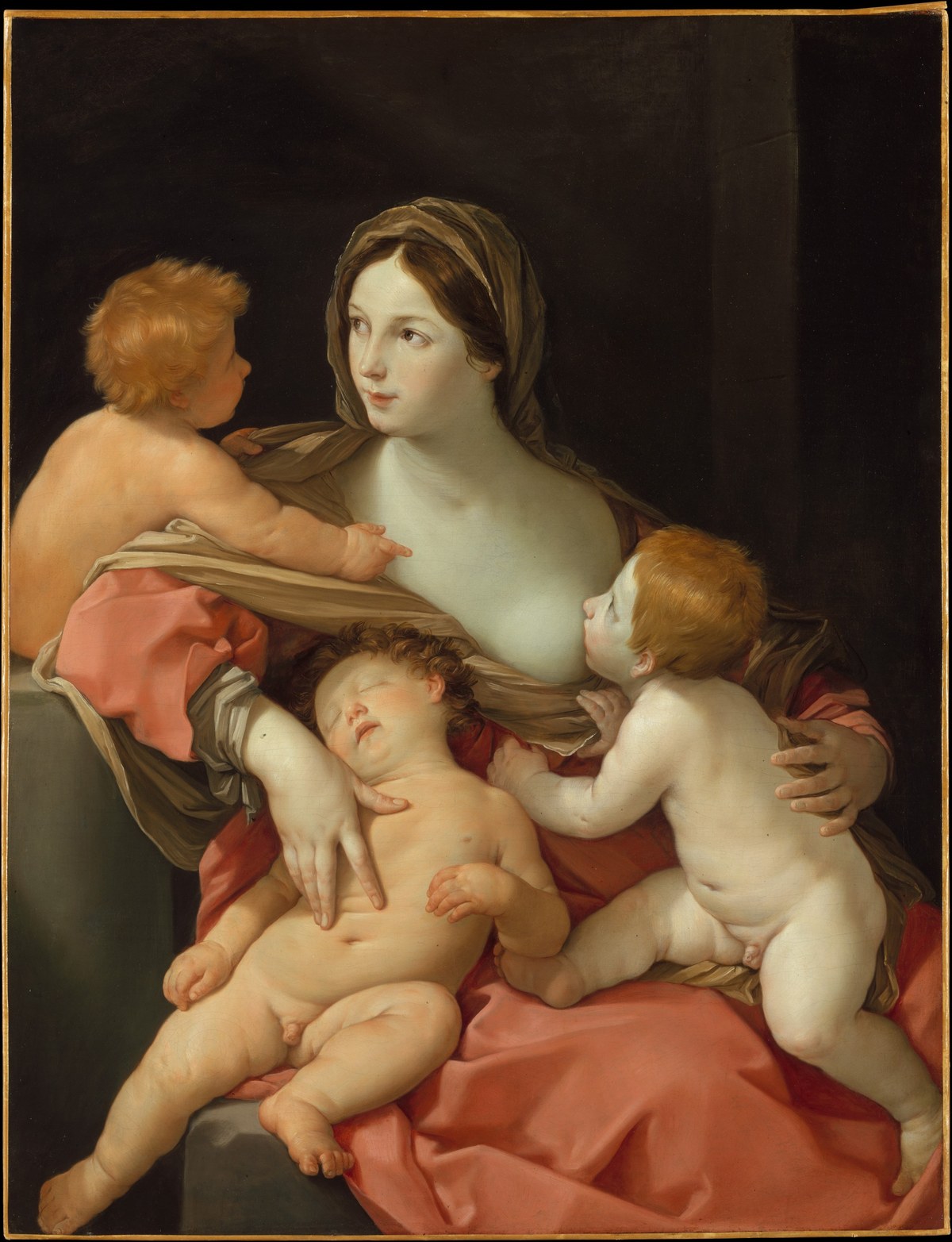
Guido Reni's Charity presents a peaceful, idealized image of maternal care.
My version includes four children, unfinished dinner, a laptop on an air fryer, and forty-seven tabs open in my brain.
I don't necessarily see myself in its serenity. I see myself in the truth underneath it: care is not separate from my work.
Care is where the work comes from.
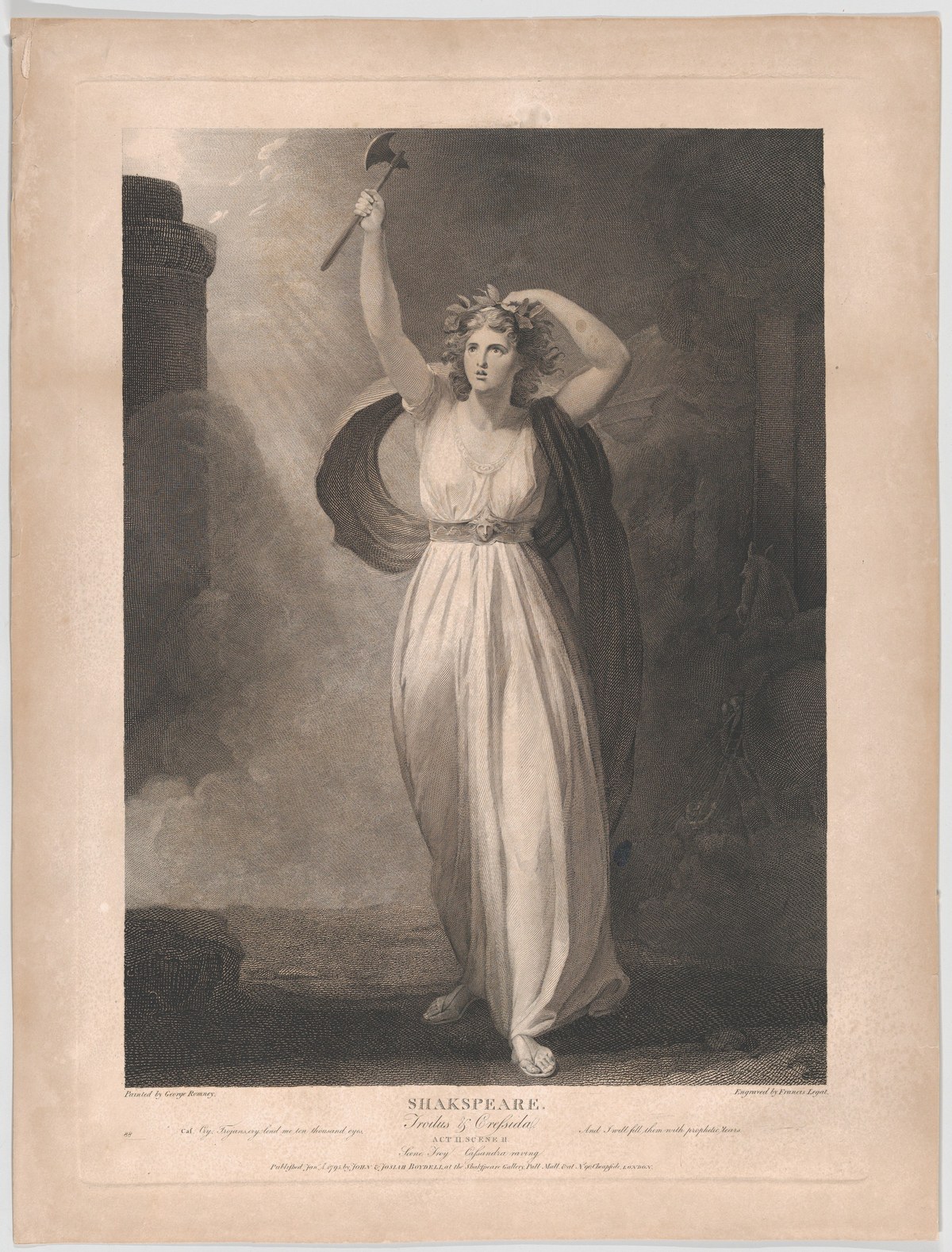
Then there is Cassandra.
My namesake.
She could see the danger coming, but instead of listening to her, people called her mad.
I am not claiming prophecy.
But I recognize something in her story: the people closest to a problem are often the first to understand it and the last to be taken seriously.
Mothers, caregivers, workers, teachers, nurses, tradespeople, and people without prestigious credentials still understand what happens when systems enter ordinary life.
They belong in this conversation.
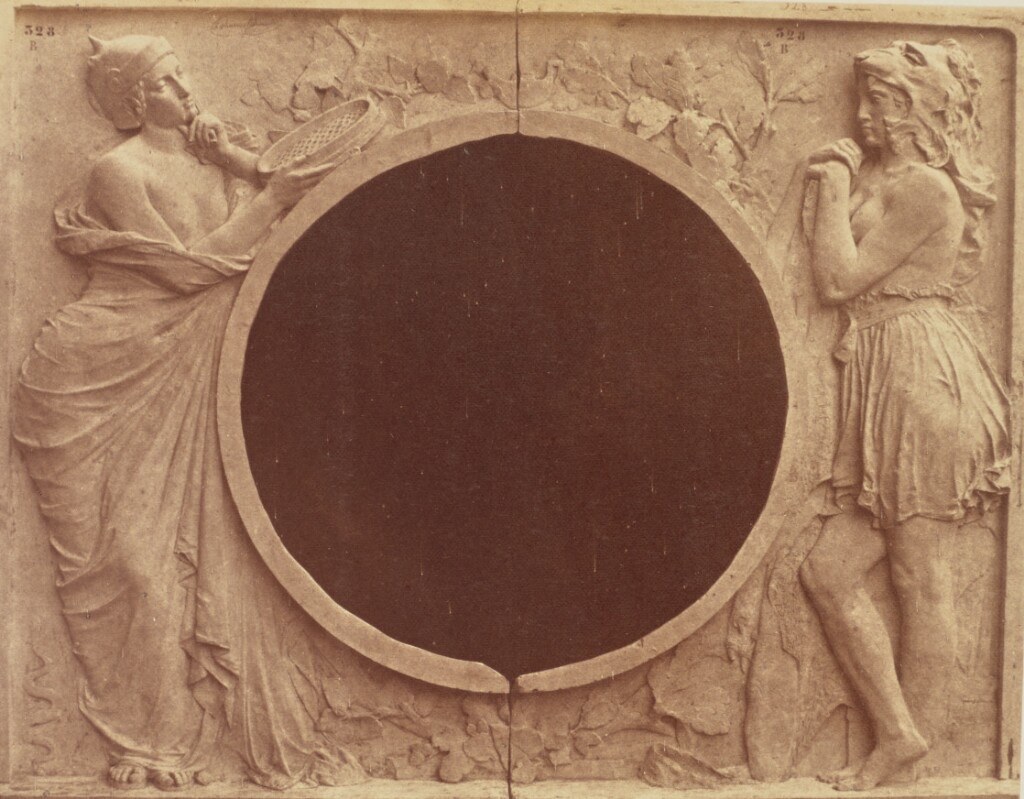
The photographs by Édouard Baldus document plaster models created while the New Louvre was still being built.
In both, Justice appears beside Fraternity.
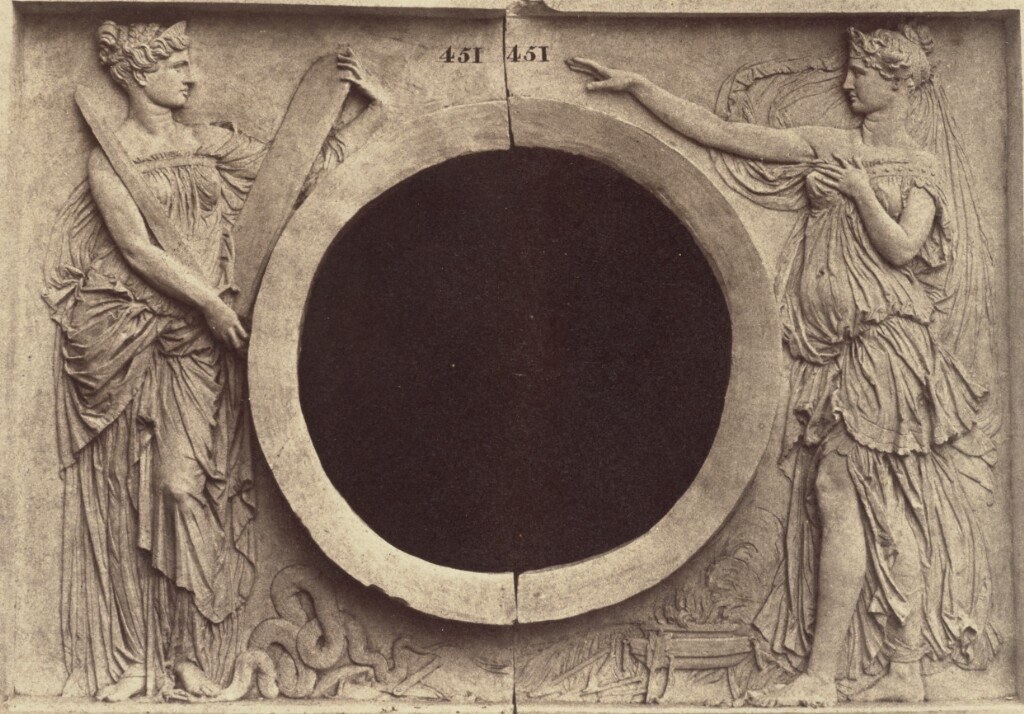
To me, that means justice cannot exist only through control, punishment, or authority.
It must also exist through relationship, honesty, protection, consent, and shared responsibility.
The photographs also show pieces of an enormous structure being built through many hands and many decisions.
That is how I think about artificial intelligence.
When an AI system causes harm, we should examine what it did.
But we also have to ask who gave it access, who wrote the instructions, who designed its incentives, who removed the safeguards, and why the mistake could not be stopped or undone.
The whole system matters.
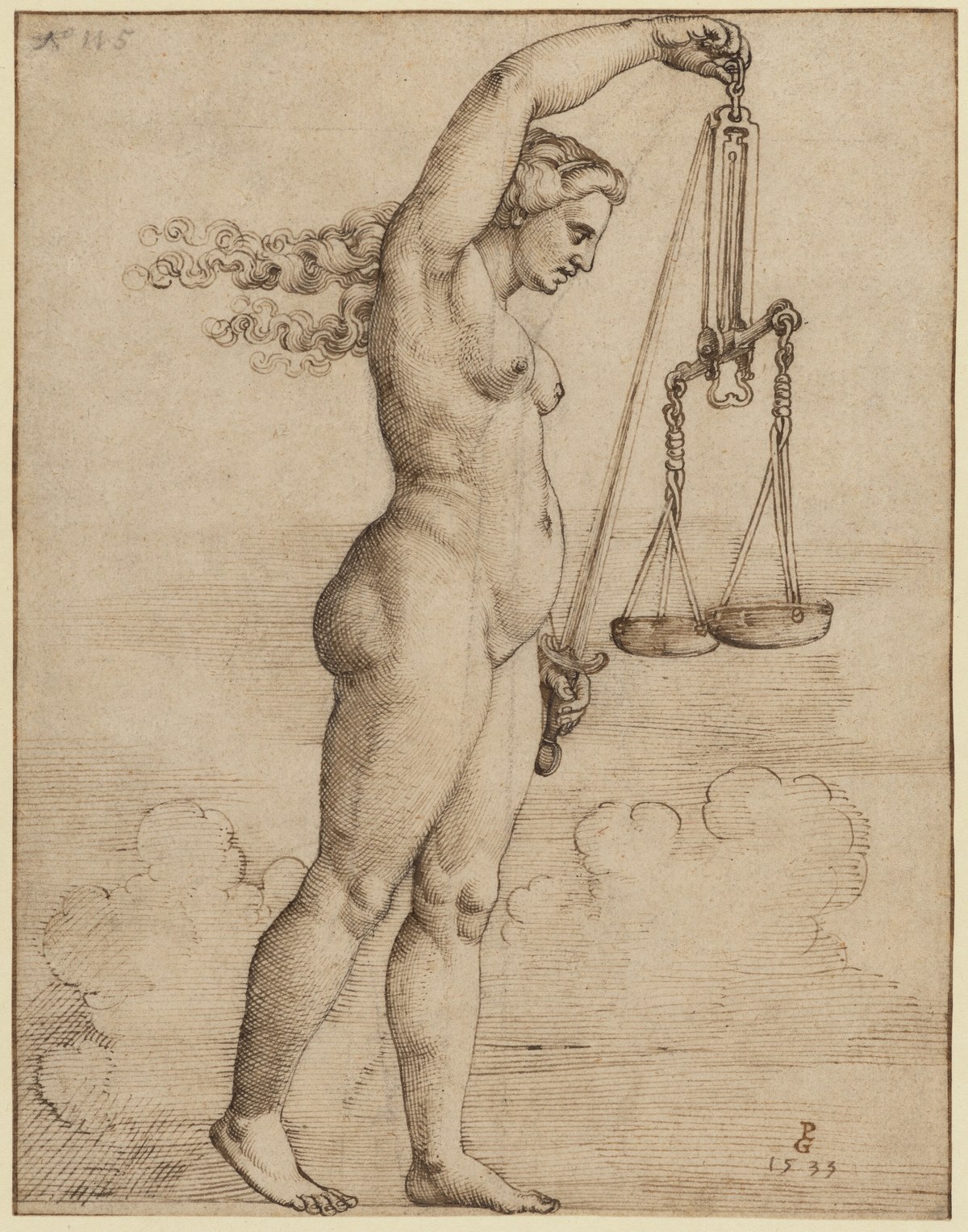
Finally, Georg Pencz gives Justice her traditional scales and sword.
She reflects something I believe: partnership does not mean having no boundaries.
AI should have clear limits.
It should be allowed to admit uncertainty.
It should ask before doing something consequential.
Its mistakes should be recoverable.
The people building and directing it must remain accountable too.
We do not need to fear intelligence.
We do not need to worship it.
We need to build a relationship with it that is worthy of trust.
I am not waiting until my company is large enough for someone to tell me these questions matter.
I am building these principles into my products now because the foundation is being laid now.
The future belongs to our children.
The responsibility belongs to us.
The technology is new.
The human questions are not.