
Every time I see another story about a child getting hurt on an electric bike or e-moto, my stomach drops.
Then I make the mistake of reading the comments.
Where were the parents?
Who lets a kid ride one of those things?
Take the bikes away.
I understand the fear. These machines can be fast and heavy. Cars are unpredictable. A mechanical failure can be catastrophic. Some young riders behave recklessly and put other people in danger. Parents, pedestrians, drivers, and neighbors have legitimate reasons to be worried and frustrated.
But I have also seen what the conversation often leaves out.
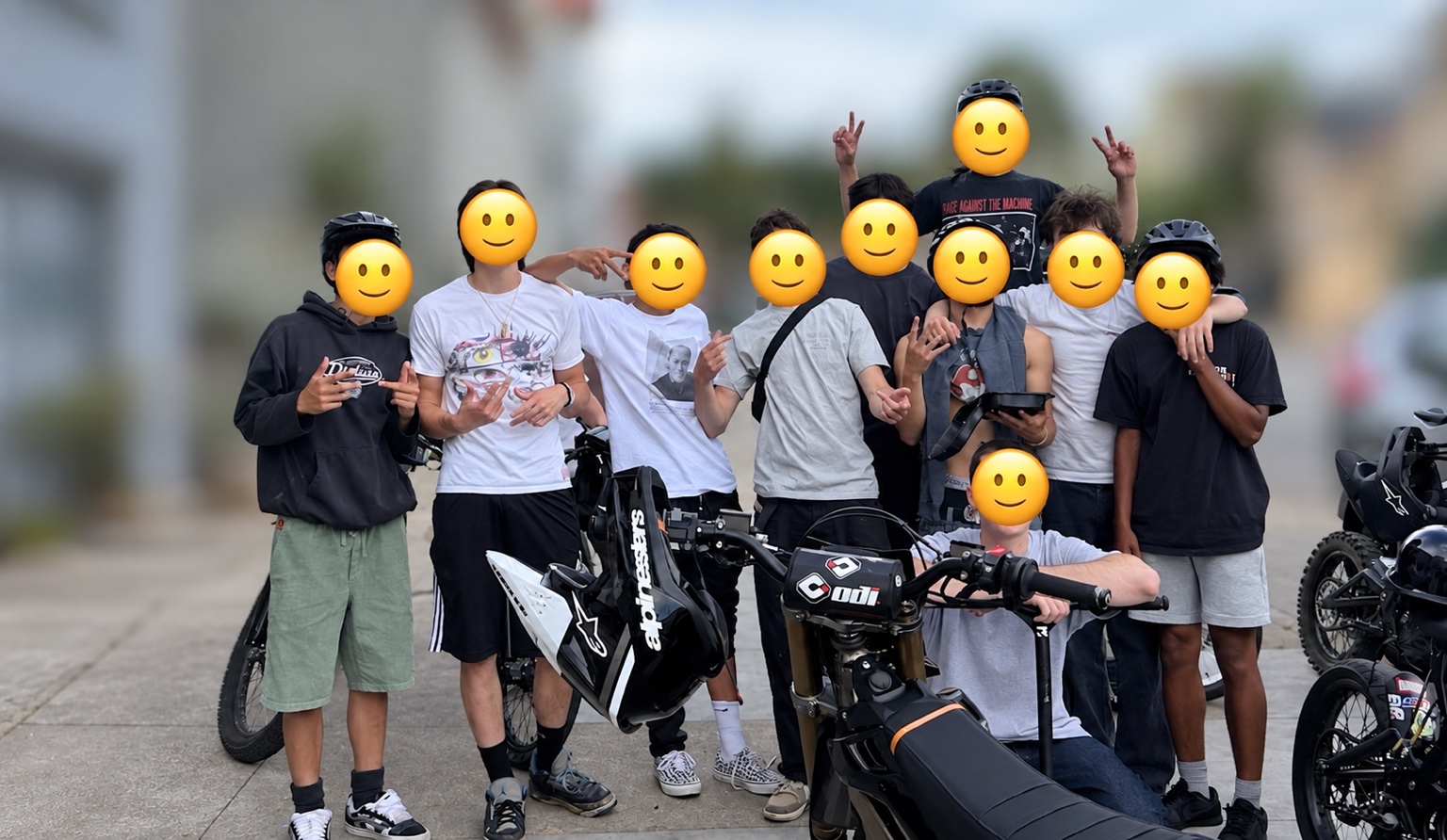
My teenage son has a bike. Through it, he found a community, a reason to spend time outside, and a deep interest in a subject he genuinely wants to understand. I have watched teenagers teach themselves about batteries, wiring, controllers, brakes, voltage, amp hours, range, and fabrication because the knowledge matters to something they love.
The danger is real.
So is the value.
Both things can be true at the same time.
Whenever an accident happens, the public story forms quickly. The kids are reckless. Their parents don’t care. The machines are the problem. Get rid of them and the problem disappears.
That story is emotionally satisfying because it gives us somebody to blame and something concrete to remove.
It is also incomplete.
It collapses every young rider into the worst video anyone has seen online. It treats every family as though they have made the same choices under the same conditions. It rarely asks what drew these kids to the bikes, what they are finding there, or what realistic alternative is available to them.
Some of the machines young people ride are not legal on city streets. That fact matters. So do helmets, speed, traffic laws, battery safety, and respect for everyone sharing public space.
But identifying a violation is not the same as understanding why a whole culture has formed around it.
If we want a safer answer, we have to understand the need underneath the behavior.
They already spent years inside
Children lost an enormous part of their ordinary lives during COVID. School, friendship, play, and community moved behind screens.
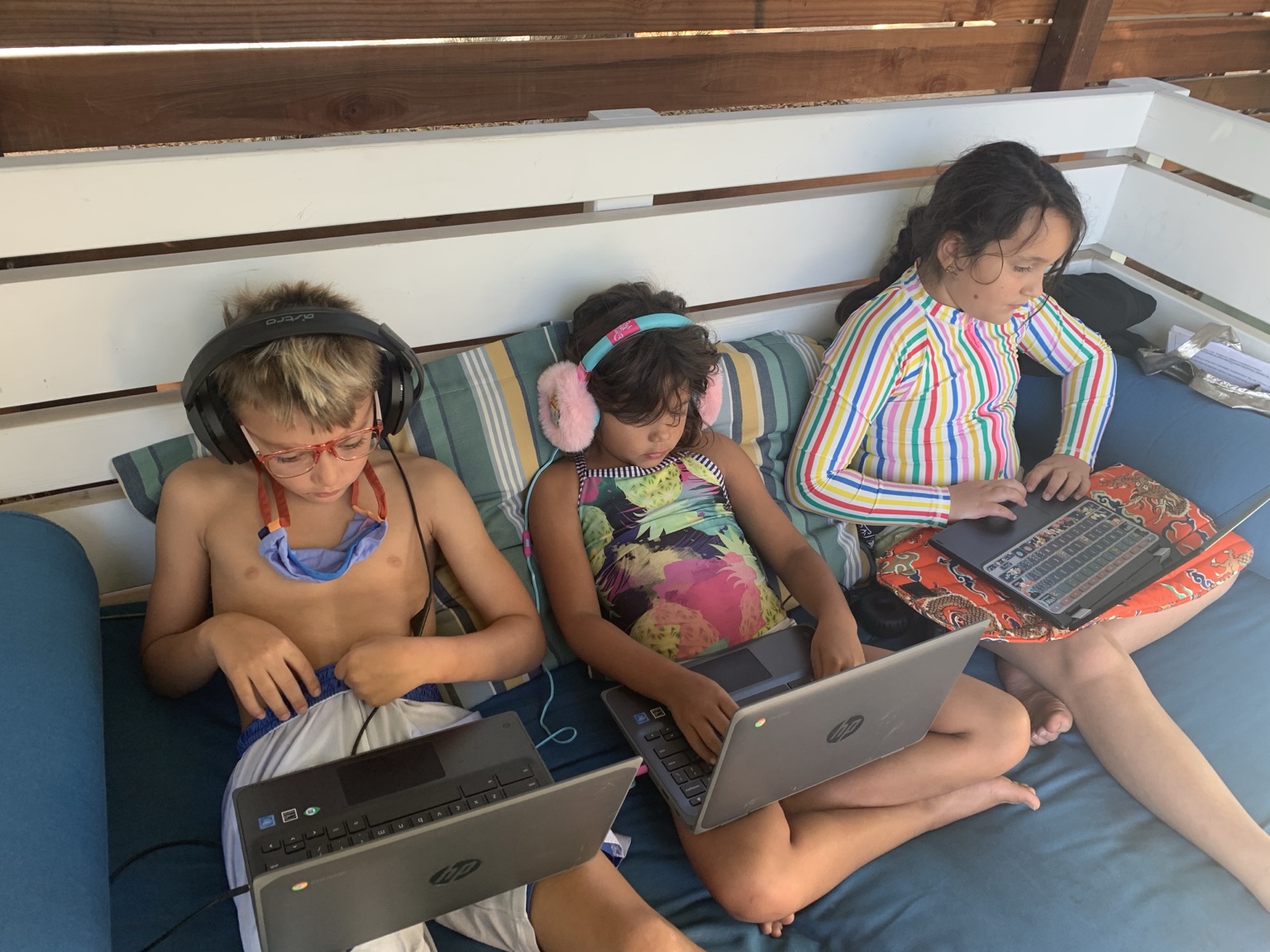
For many teenagers, online life became the primary way to maintain relationships. The friendships were real. The jokes were real. The games and group chats helped them stay connected during an isolating time, but it also sometimes made them dependent and addicted to those same games.
Even after schools reopened, the habits and anxieties did not simply disappear.
I don’t think we fully understand what those years did to children. I hope the effects are smaller than they sometimes seem. I have watched some young people struggle with confidence, independence, and the basic act of going out into the world.
Then some of them found bikes.
Suddenly, there was a reason to leave the house that was stronger than me saying, “Stop playing Fortnite! Go outside!!” Their friends were no longer only voices in a headset. They were people to meet in parks, on paths, and across neighborhoods.
The online world didn’t vanish. It became a bridge into the physical one.
That matters for their mental health, independence and wellbeing. It does not erase the law or make unsafe behavior acceptable.
Where are they supposed to go
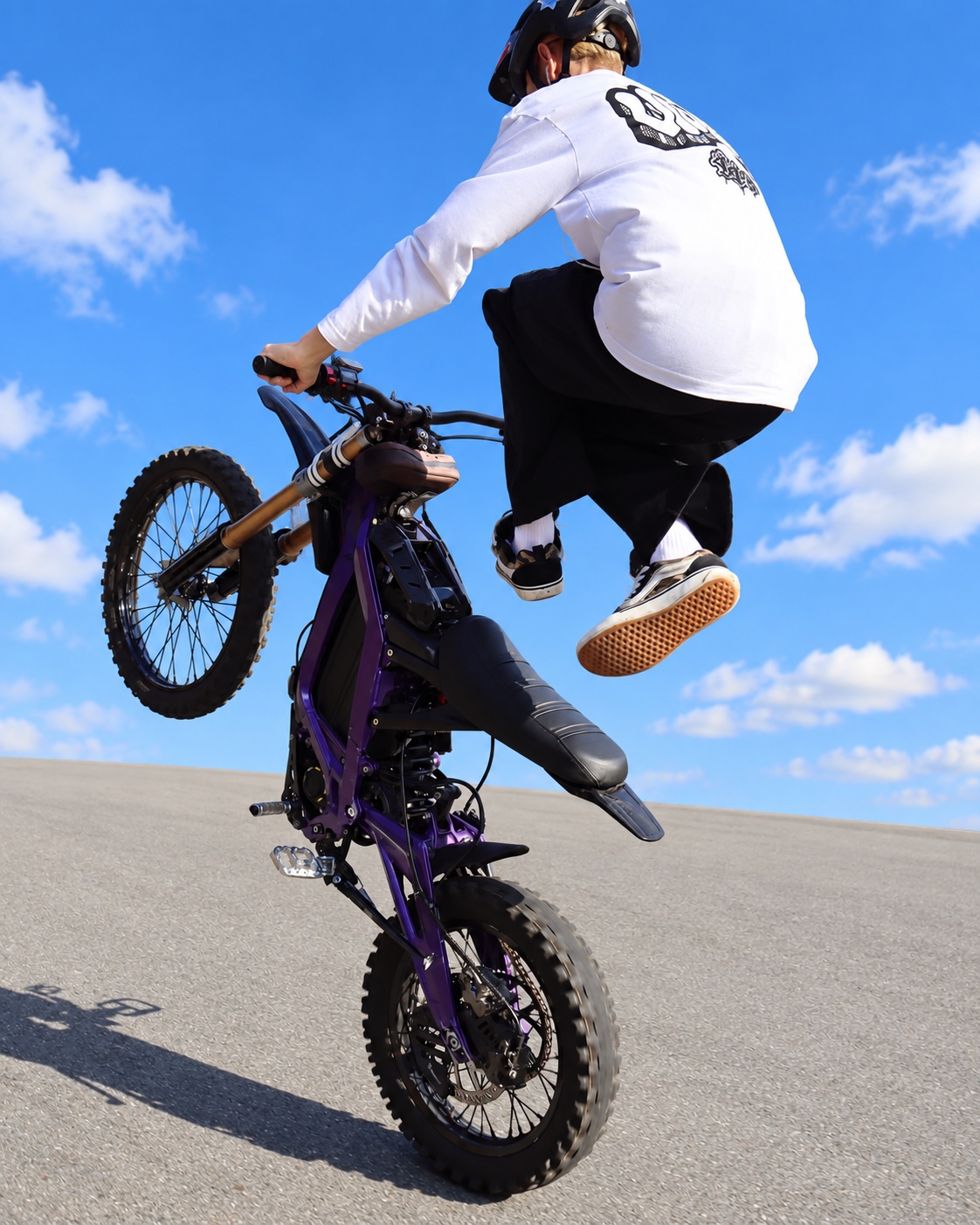
The usual answer is that these kids should ride somewhere designed for off-road vehicles.
I understand that answer. I also understand why it doesn’t work for many families.
My family lives in a 600-square-foot apartment. We have a yard where a bike can be repaired, but we do not have a garage or a truck. Trips to places such as Hollister, Carnegie, or Cow Mountain require a vehicle capable of carrying the bike, fuel, equipment, time, money, and an available adult.
Those are not small requirements.
For families without them, the supposedly appropriate place to ride might as well be on another planet.
The neighborhood and the local park become the places young people can actually reach.
I can understand why residents are alarmed by that.
We have machines young people desperately want, laws that tell them where they can’t use them, and almost no accessible places showing them where they can.
The question cannot end with, “Why are they riding there?”
We also have to ask, “Where have we made it possible for them to go?”
The community is real
The young riders I have met do not all come from the same school, neighborhood, or kind of family.
They’re from public, private, and Catholic schools. Some play soccer or swim. Some have packed extracurricular schedules. Some mostly want to build. Kids come to San Francisco from throughout the Bay Area to meet people who share their interest.
This is a community of more than 200 kids. At least 100 of them have come through our home.
These are good kids. A handful are already trying to start businesses of their own. Some want to earn degrees in electrical engineering. Others want to work in the trades.
These are also teenagers who are willing and excited to test Munus, the household operating system I’m building to help teens take more ownership of their day. I’m still a solo founder looking for investors, but I already have young people ready to try what I’m making and tell me whether it actually helps.
The community can reach much farther than that.
One teenager visiting California from Louisiana already knew local riders online. When he arrived, they met him and showed him around San Francisco.
A young person came to an unfamiliar city and found people waiting to welcome him.
They eat together. They share parts and knowledge. They help one another troubleshoot problems. They learn tricks, make plans, and form friendships across boundaries that adults spend years trying to overcome through organized programs.
I cannot think of another interest in my son’s life that has connected him to so many different kinds of people.
We should not dismiss that community because we are uncomfortable with the machines around which it formed.
We should figure out how to preserve it while making it safer.
A technical classroom no one designed
Spend a little time listening to these teenagers and you will realize they are not merely talking about doing tricks, when the looped or new spots.
They talk about bolts, amps, amp-hours, voltage, range, controllers, components, front brakes, rear brakes, rotors, lights, chargers, and wiring. They understand that changing one part can affect an entire system. They diagnose failures, compare specifications, find compatible components, repair damage, and explain what they learned to someone else.
Some create their own phone chargers, mounts, lighting systems, and other devices for their bikes. They encounter a problem, imagine a solution, build it, test it, and revise it.
I do not understand half of what they are saying sometimes.
They do.
This is practical technical education. It requires mathematics, mechanical judgment, electrical knowledge, patience, and creativity. No teacher had to convince them the material would matter someday. It matters to them now.
The teenager troubleshooting a controller today may become an electrical engineer.
The teenager rebuilding a brake system may become a mechanic.
The one asking why batteries are so heavy, why they take so long to charge, or why they create so much waste may eventually design something better.
These may be our future electricians, fabricators, mechanical engineers, technicians, inventors, and builders. For some, this may be the first time they have discovered that they are technical people.
AI will change how many jobs are performed, but the physical world will still need people who understand how things move, carry power, fail, and get repaired. We should pay attention when young people become excited about learning those things on their own.
The knowledge comes home
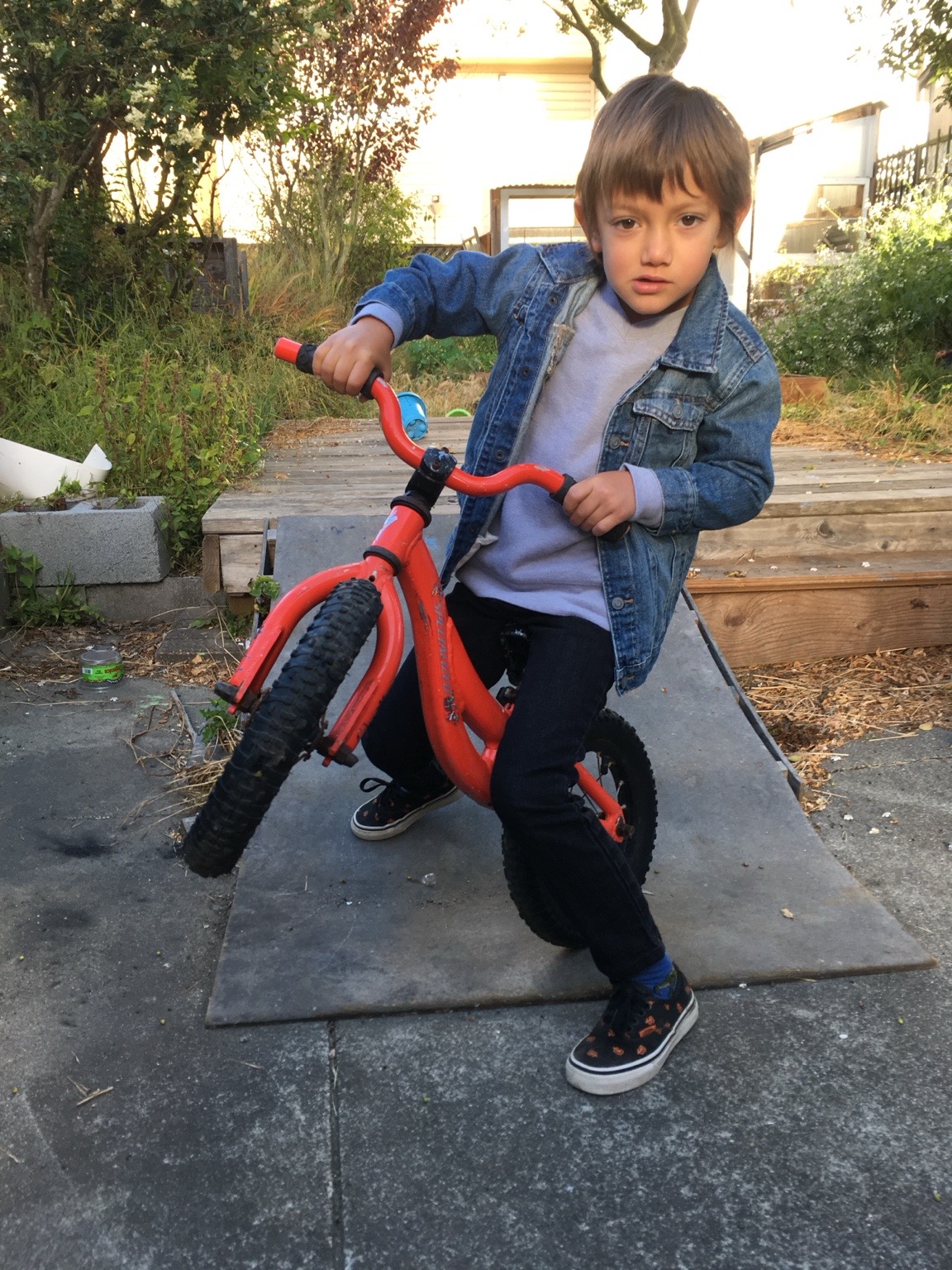
This interest also creates relationships between young people and adults who know how physical systems work.
My son’s dad is an electrician. Bikes have given them new reasons to talk about motors, wiring, tools, and repairs. I have seen other fathers who ride motorcycles or work with machines sharing their knowledge with their children and their children’s friends.
They stand together over a bike and solve a problem.
My son began with a pretty shitty bike that needed work. He saved money, borrowed money, found parts, repaired what he could, and learned as he went. Over time, he traded his way toward something better.
That required patience, research, negotiation, and resourcefulness. He did not wait for someone to hand him the perfect thing. He started with what he could get and worked from there.
I recognize that determination.
It is how my mother raised me. When you do not have exactly what you need, you look at what is around you and figure out what you can make from it.
Now my daughter is interested too. She sees the friendships, the independence, and the satisfaction of understanding how something works. When we can afford to help her explore it safely, I want her to have that opportunity.
This does not look like a generation of kids who do not care about anything.
It looks like a generation waiting for adults to take their curiosity seriously.
Safety and community are not opposing sides
None of this means every machine belongs on every street or that every rider is prepared to operate one responsibly.
Some electric motorcycles are too fast for bike lanes and shared parks. Some young riders need firmer boundaries. Pedestrians deserve to feel safe. Parents need accurate information about what they are buying, where it can legally be used, and what training it requires.
The current argument often gives us only two choices: tolerate dangerous behavior or confiscate everything.
That is not enough.
Prohibition can remove a machine. It does not automatically replace the friendships, freedom, purpose, or technical education built around it. It does not create an accessible place to ride. It does not teach battery safety, braking, maintenance, or judgment.
We need to protect the community while changing the conditions that make it dangerous.
That could mean designated urban or neighborhood riding areas that families can reach without a truck. It could mean supervised practice sessions, speed-limited programs, and permits tied to real training. It could mean community build nights where electricians, mechanics, engineers, fabricators, and experienced riders teach young people how to work safely.
Kids could learn how to inspect brakes, recognize dangerous batteries, charge them correctly, understand protective equipment, and respect the people around them. Adults could learn what these machines actually are instead of discovering the difference between an e-bike and an e-moto after something goes wrong.
Cities could invite young riders and their parents into the policy conversation. The kids know how the community operates, where people gather, what they are building, and which rules are routinely ignored because no workable alternative exists.
The law and the infrastructure need to evolve together.
That does not necessarily mean making every machine legal everywhere. It means admitting that the machines are already here and designing a response that does more than push young people out of sight.
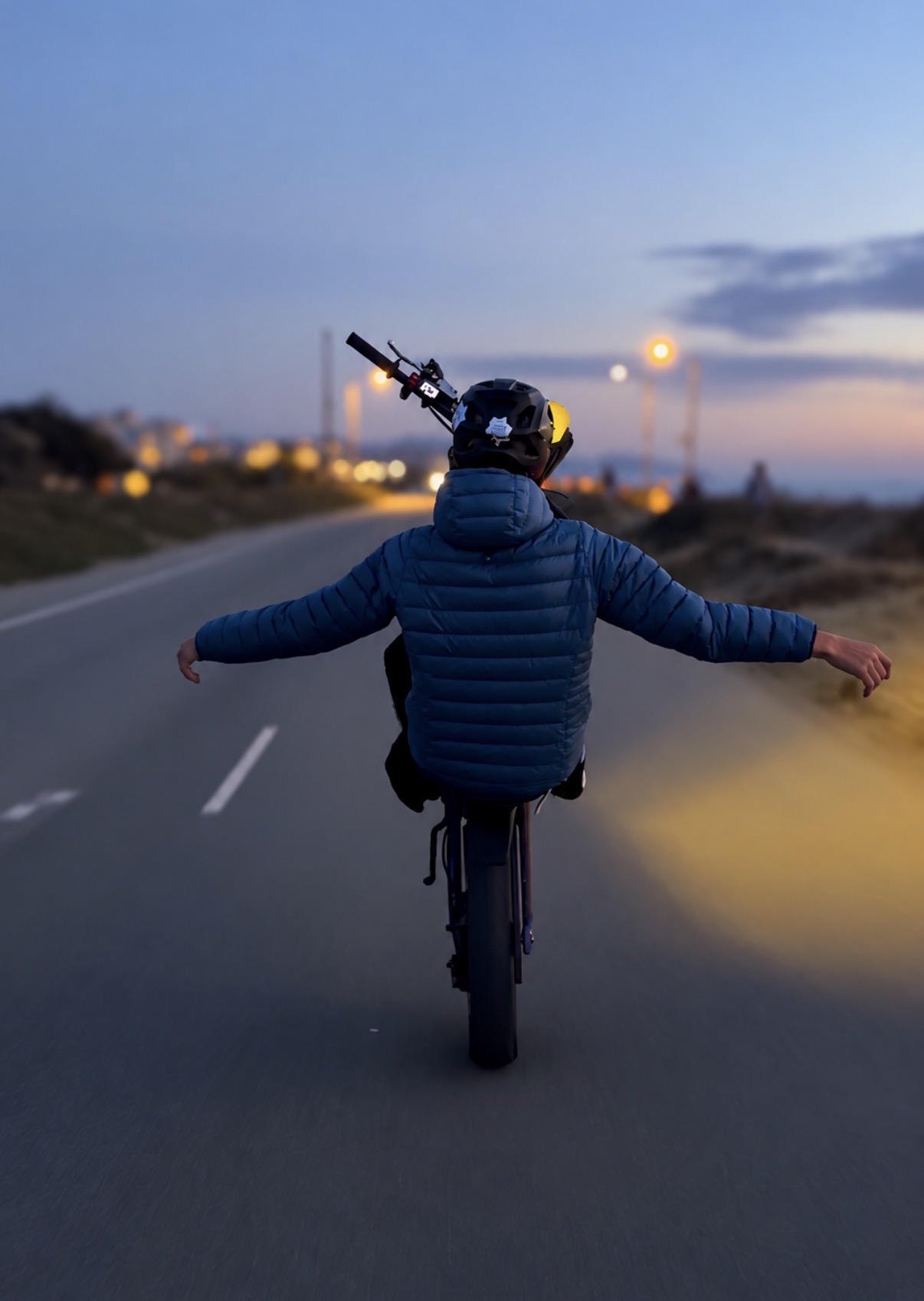
We asked them to build something
For years, adults complained that teenagers spent too much time on their phones.
We told them to leave their rooms. Find something they care about. Meet different people. Learn practical skills. Become independent. Work with their hands. Build something instead of merely consuming it and to just GO OUTSIDE.
Now some of them are doing exactly that.
They found machines that require them to think. They found friends they would never otherwise have met. They found reasons to learn about electricity, mechanics, fabrication, and design.
They also found machines our cities were not prepared for and freedom they may not yet know how to manage safely.
Both things can be true.
We can enforce meaningful safety rules and still recognize what is valuable here. We can protect pedestrians without pretending these kids have no legitimate need for space. We can oppose reckless riding without calling every parent reckless. We can take the law seriously and still ask whether the law, infrastructure, and available programs reflect the world young people are actually living in.
They went outside, found one another, and started building.
Before we send them back in, we should give them somewhere better to go.