
In August, my Cursor dashboard recorded 1.2 billion tokens across 172 cloud agents.*
I originally thought that number represented my all-time usage.
It did not.
That was August. 🤣
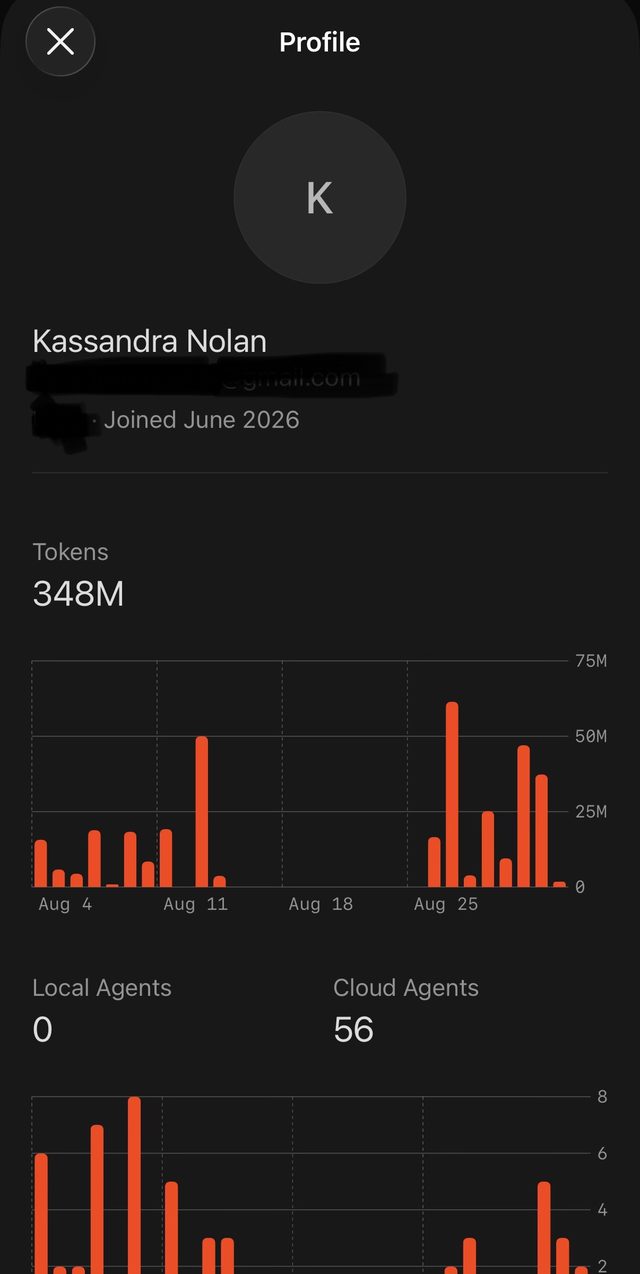
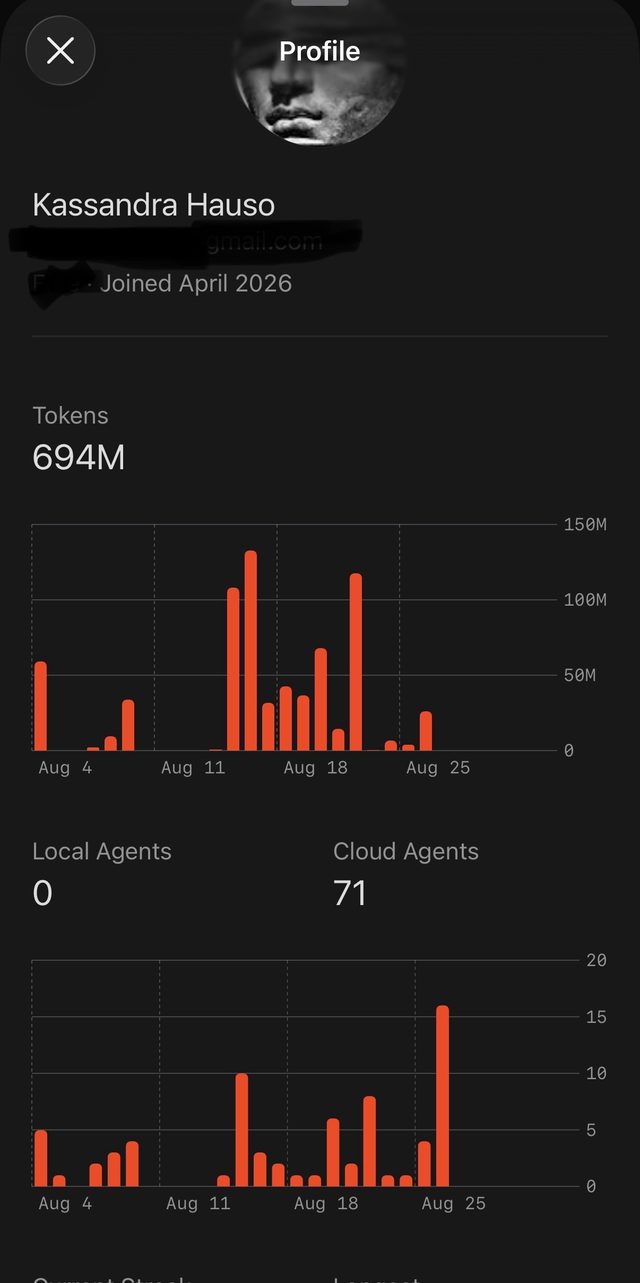
Those numbers sound like they should belong to someone working from a command center with an engineering team.
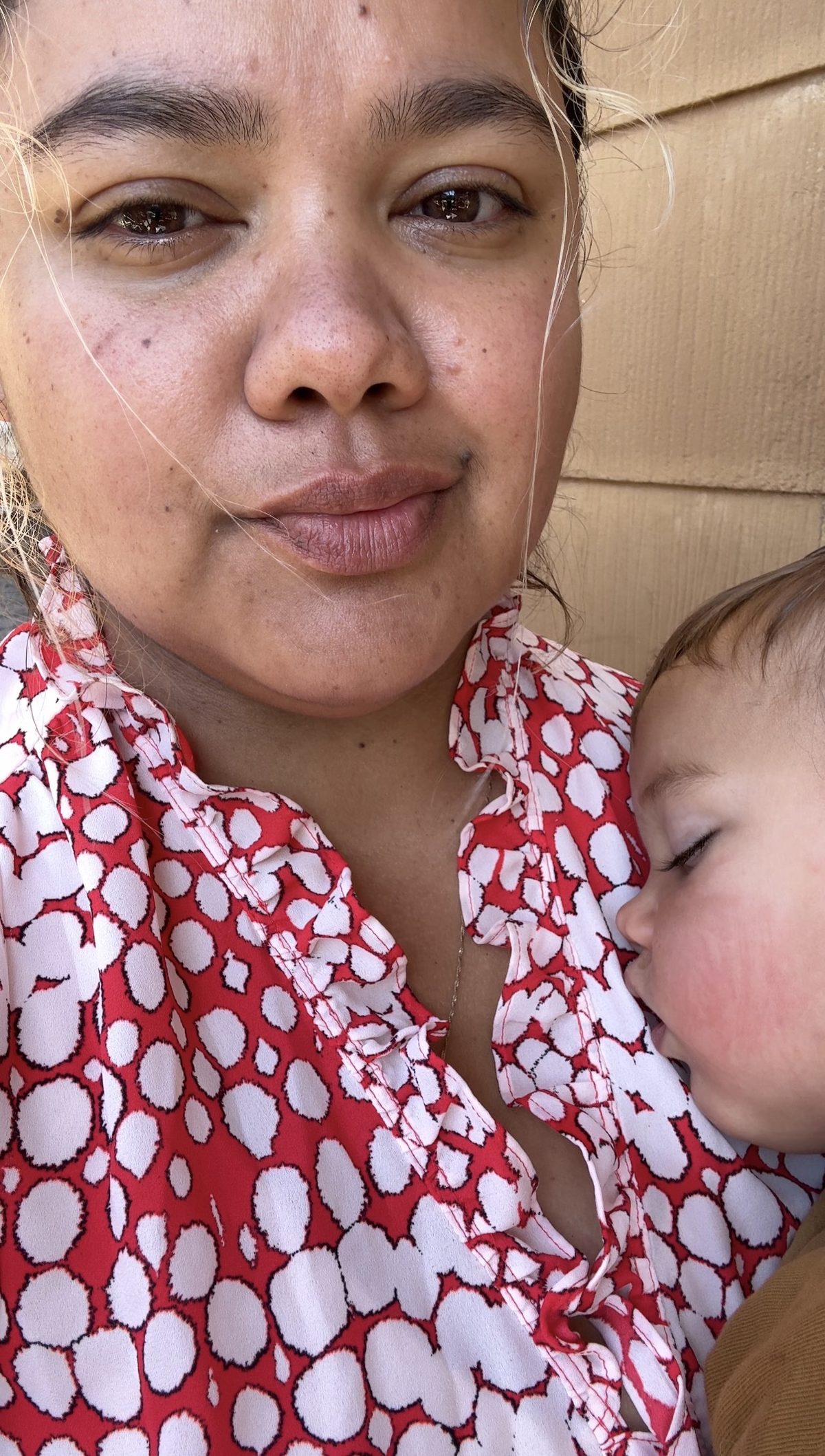
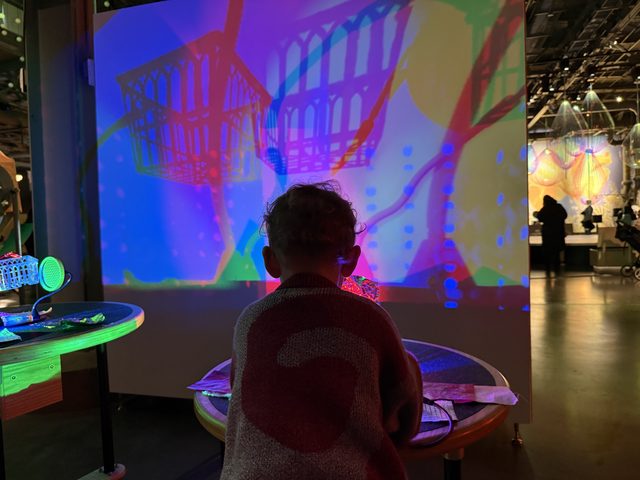
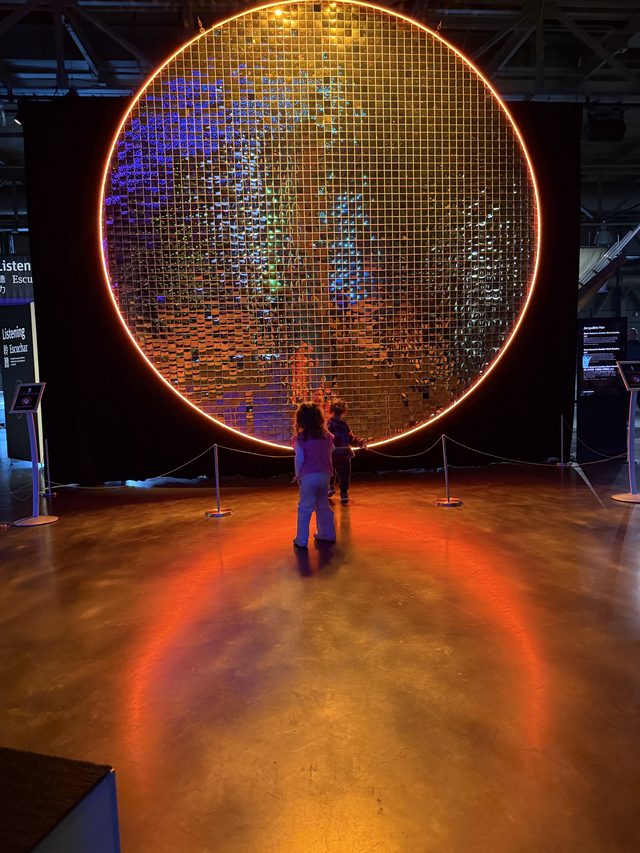
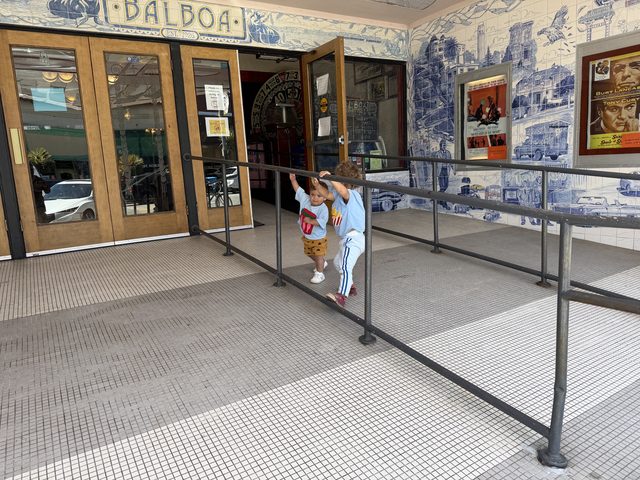
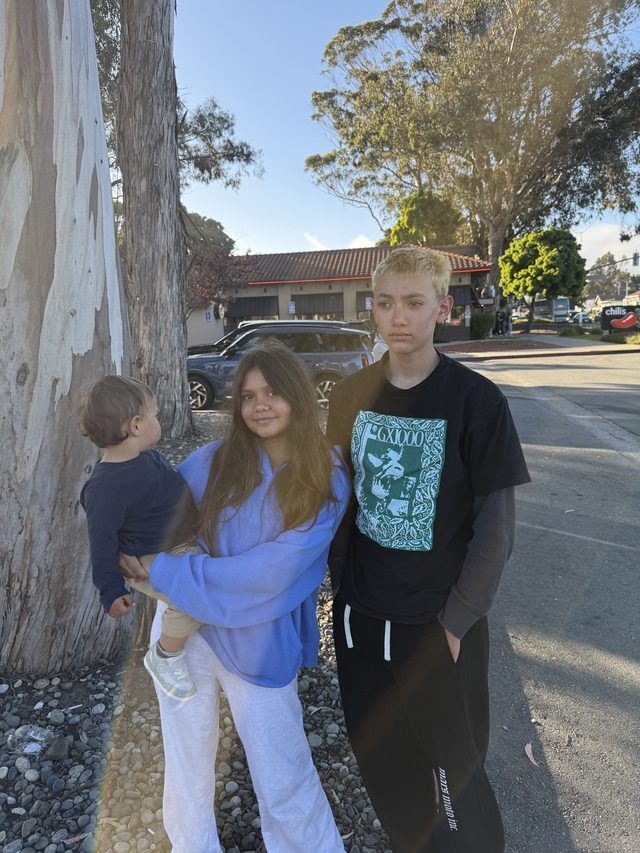
In reality, much of that work happened while Romeo slept on my shoulder, Leo napped in the stroller, or my children played at a park or museum nearby.
I don’t have a desk to leave.
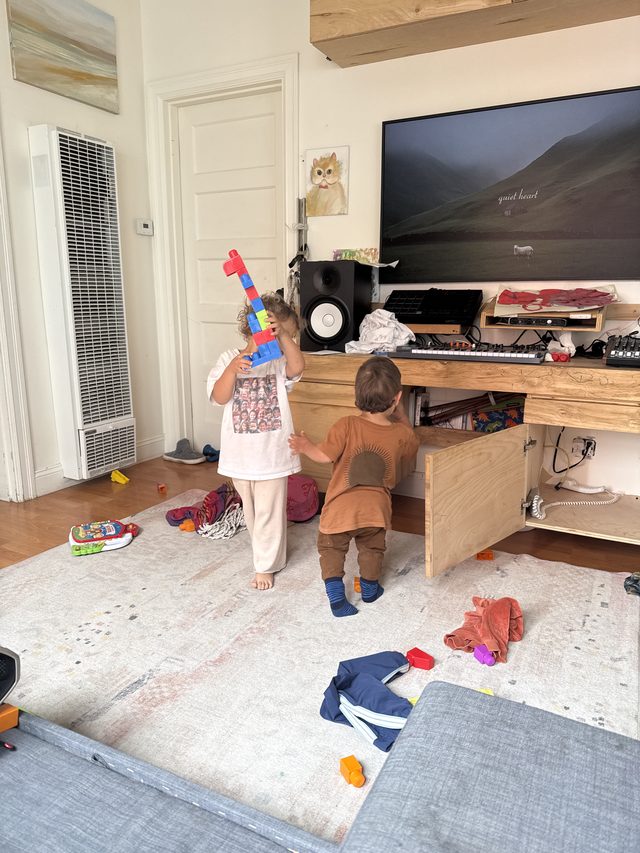
I have a tiny home, a kitchen table, and occasionally a laptop balanced on the air fryer while I make dinner.
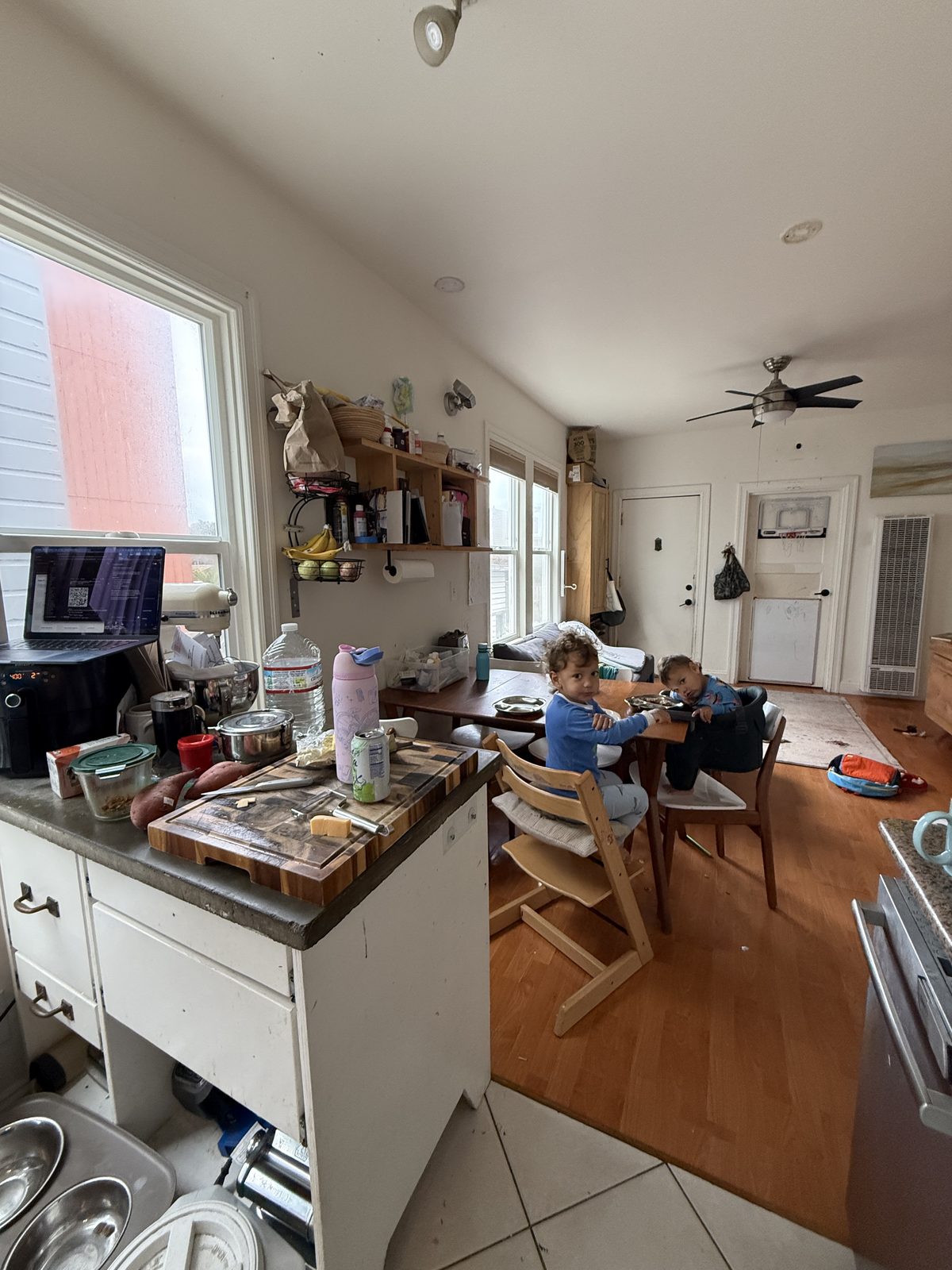
I’m a mother of four building a technology company inside the life I already have.
The resourcefulness I was raised with
I’m half Salvadoran, and I don’t see enough Latina women in technology.
I don’t see enough mothers in the conversation either.
Women’s voices matter. Mothers’ voices matter. Latina women’s voices matter. Some of the most resourceful, creative, and brilliant women I know are Latina women, including my mother.
My mom taught me how to think with what I have.
If I don’t have the right tool to make something work, I find the closest things around me and figure out how to build the tool myself.
That is how I was raised.
It turns out, that is also exactly how I’m building this company.
Cloud agents didn’t create that resourcefulness.
They gave it somewhere to go.

When the build stopped depending on one computer
Before cloud agents, the work often depended on my computer being open, the correct repository running, and my attention remaining uninterrupted long enough to finish something.
That isn’t how my life works.
Cloud coding agents changed that.
I can give an agent a defined piece of work inside a software repository, let it investigate, write code, run tests, and document what it changed in its own environment. I can return later to review the work, answer questions, correct the direction, or decide what should happen next.
Cursor was my first experience of this at scale. Now I’m also building with OpenAI’s Codex and Claude Code.
I don’t experience these tools as interchangeable. They reason differently, notice different things, and approach the same system from different directions.
They help me build the apps.
But building the software is only one part of building a company.
From building the apps to operating around them
The newer shift for me has been Grok Bots.
Each Grok Bot has its own persistent cloud computer with a browser, files, and a terminal. That means it can do more than suggest the steps I should take. With the appropriate access and my direction, it can use the websites and tools where the work actually needs to happen.
That fills an entirely different gap.
Setting up several email addresses for each of my apps, configuring them correctly, and routing everything back to my main inbox could have taken me six hours. Before, I might also have spent two hours talking with an agent while it walked me through every step I still had to perform myself.
Now I can assign that work to a Grok Bot, review what it did, and intervene when a decision or approval is needed.
I’ve begun creating a dedicated Bot for each app so it can develop familiarity with that specific business and its recurring needs.
I also have Bots for responsibilities that cross the entire company, including work connected to Cursor and operational tasks that don’t belong to a single app.
Another can help with the ordinary administrative work happening around my actual life, even something as simple as tracking down and canceling a subscription.
The possibility of bringing multiple specialized Bots into one channel is even more interesting. Instead of repeatedly carrying information between separate conversations, the Bots can work from shared context, coordinate around one objective, and see what the others are doing.
That is bananas. 🤣
The human part of the system
I understand why people are afraid of AI.
The concerns about work, privacy, control, and what we may lose as this technology becomes more capable are real. They deserve to be taken seriously.
At the same time, this technology is already becoming part of how we live and work. I don’t believe the answer is to embrace it without question or reject it simply because it is new.
I believe we have to learn how to work with it thoughtfully.
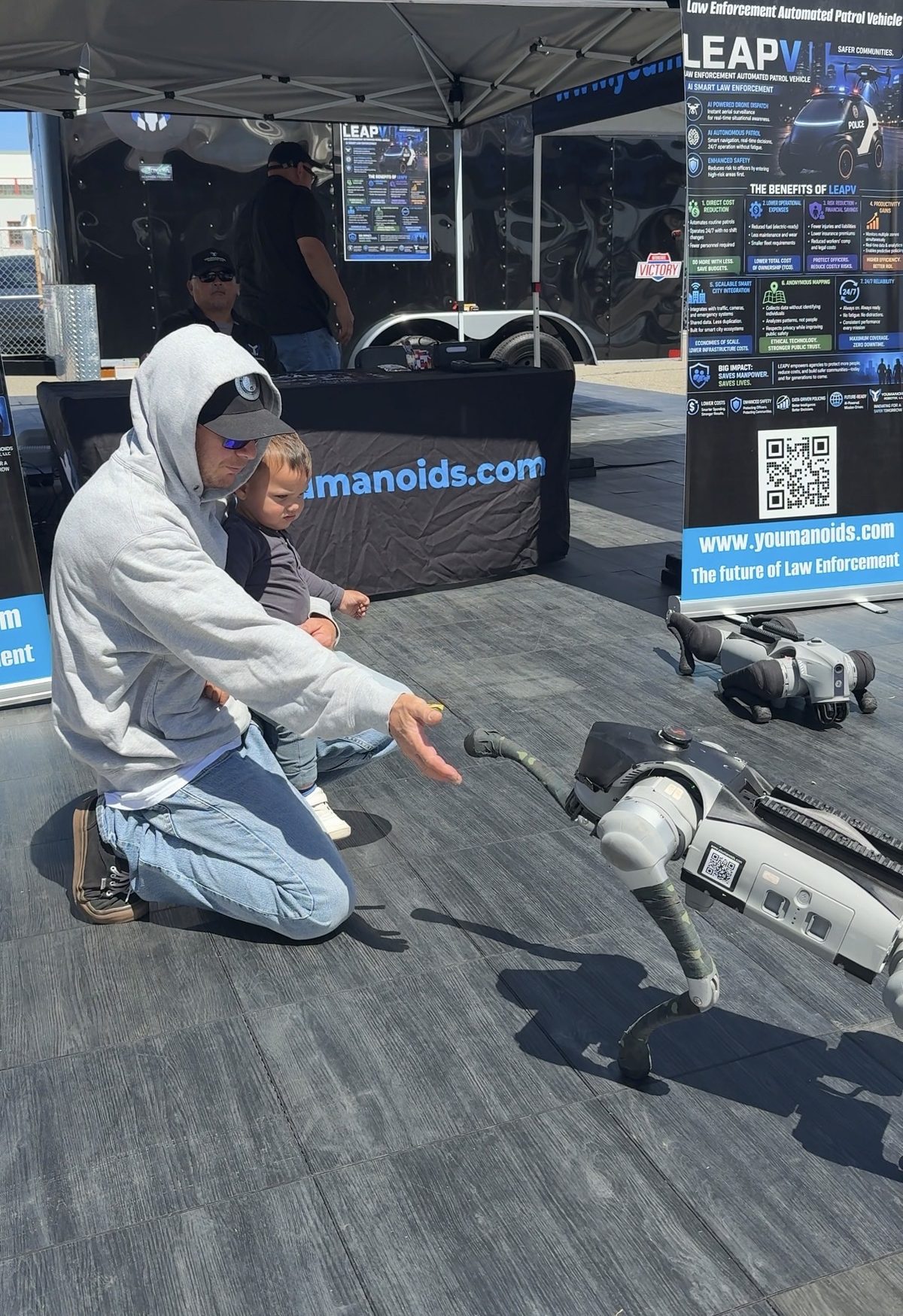
The relationship I’m trying to build with AI is collaborative. The technology can help us reason through enormous amounts of information, recognize patterns, write code, test possibilities, and make complicated systems more understandable.
But it has not lived the human experiences surrounding the problems we ask it to solve.
It has not been awake at two in the morning with a crying child, trying to decide whether something is really wrong or whether everyone is simply exhausted.
It has not been a self-employed mechanic thinking about the current job, the next job, the invoices, and whether there will be enough money left over, all while trying to be fully present at home.
It has not been a small landlord putting off a conversation with a tenant because an ordinary repair has become tangled in anxiety, money, responsibility, and fear of conflict.
AI may be able to identify the most logical next step.
Human beings don’t always live logically.
We become overwhelmed. We avoid things. We forget. We contradict ourselves. We make emotional decisions. We carry histories, fears, responsibilities, and relationships that may never appear in the information a system has been given.
When I work with AI, part of my role is continually bringing the work back to that reality.
These systems often move toward the cleanest and most logical answer. I have to ask what that answer feels like to the exhausted parent, the anxious teenager, the overwhelmed caregiver, the busy tradesperson, or the person who has already been failed by a system they were told should work.
That human messiness isn’t noise that can simply be designed away.
It is part of the design problem.
These systems will become more capable. Ten years from now, I may describe their limitations very differently. But right now, they still need people who understand the lives, fears, contradictions, and practical realities surrounding the problems they are being asked to solve.
That is why mothers, caregivers, tradespeople, teachers, nurses, small-business owners, and people from backgrounds rarely represented in technology need to be part of what comes next.
Access, not magic
None of this means I hand over my life or company and stop paying attention.
I still decide what a Bot can access, what it is allowed to change, what requires my approval, and whether the result is correct. I’m still responsible for the architecture, judgment, privacy, security, and consequences of the work.
Cloud agents haven’t magically made me an engineer. If anything, building this way has taught me exactly why engineers are paid the big bucks. My God. 🤣
They also aren’t a replacement for the extraordinary people I eventually hope to work with.
What they have changed is how far I can get before having conventional access to capital, an engineering team, or operational support.
Coding agents help me turn ideas into working software.
Grok Bots are beginning to help me operate the growing company surrounding that software.
Together, they allow the work to continue through school schedules, appointments, meals, parks, museums, naps, and the millions of small moments that make up a family’s life.




For an established company, these tools may primarily represent efficiency.
For me, they represent access, continuity, and the ability to keep going.
Sometimes the next stage of the company is being built from my kitchen table.
Sometimes it is being built with my laptop on the air fryer.
And sometimes it continues while a baby sleeps on my shoulder.