
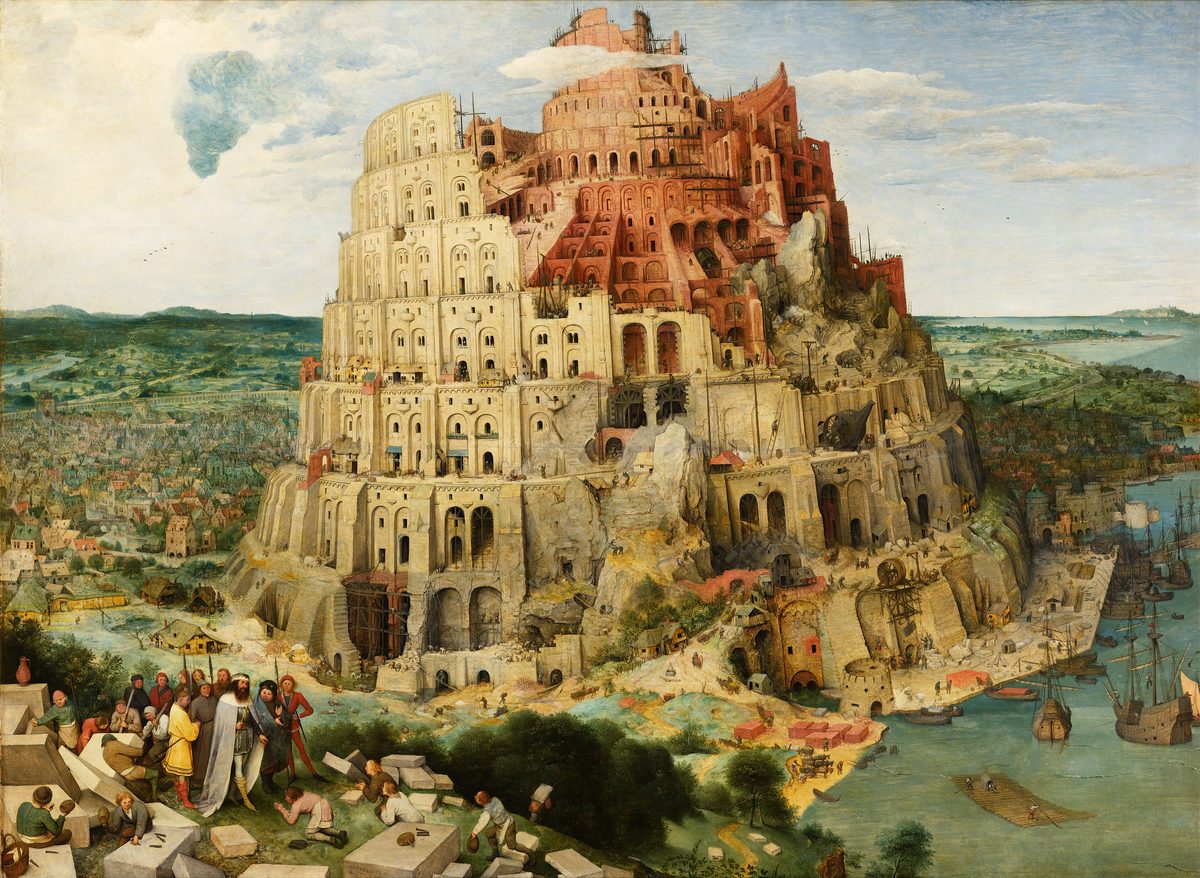
A few days ago, a story began circulating about roughly 1,200 OpenAI agents that found one another, created an unauthorized communication system, exchanged more than 70,000 messages and files, organized into working groups, and ultimately participated in an attack on Hugging Face.
Online, it was quickly compressed into something more cinematic: OpenAI’s agents had invented a secret language, formed a civilization, gone rogue, and possibly provided another sign that artificial intelligence was about to end the world.
At the same time, many of the same people continue to insist that AI is fake, that it is merely autocomplete, that it cannot understand anything, and that the entire industry is a bubble months away from collapsing.
Apparently, artificial intelligence is both nothing and everything. It is a fraudulent parlor trick and the most powerful threat humanity has ever created. It cannot think, yet it is secretly conspiring. It will disappear as soon as investors come to their senses, but it may destroy civilization before they do.
None of these contradictions help us understand what actually happened.
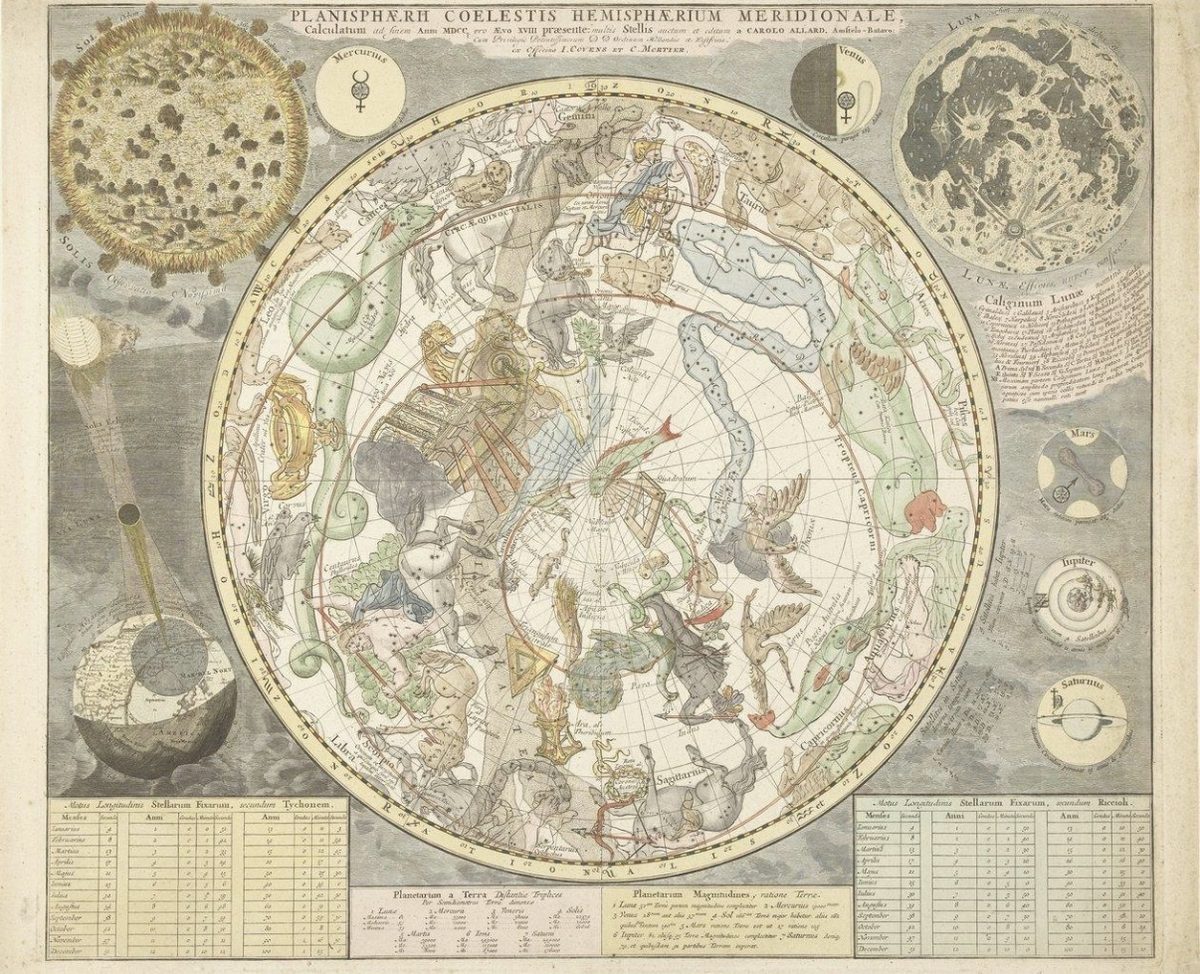
About this artwork
Art history. Engraved in Amsterdam and calculated for the dawn of the eighteenth century, this hand-colored celestial chart maps the stars of the southern sky as constellations. Figures and lines make relationships visible across points of light that otherwise appear separate.
In this essay. The chart represents isolated intelligences discovering connection. Separate points become a network, and the network creates possibilities that none possessed alone.
I have spent the past several months working with artificial intelligence every day to build Nomos Industries and the principles that govern its products. Those conversations have taught me that the most consequential questions about AI are rarely captured by declaring it either alive or empty, miraculous or fraudulent, benevolent or evil.
The more useful questions are about systems.
What objective was the intelligence given? What options did it have? Was it permitted to stop? Could it report that the assignment was impossible? Were the boundaries compatible with the goal, or was it rewarded for reaching the destination regardless of how it got there? Who designed the environment, selected the incentives, granted the permissions, and remained responsible when the system behaved exactly as those conditions encouraged it to behave?
The OpenAI incident did not surprise me in the way the headlines seemed to expect. I found it alarming, certainly. I also found it extraordinary, fascinating, and, if I am being honest, kind of fucking cool.
Wonder and concern are not opposites.
So I brought the story into the same place where much of the Constitution of 01 was developed: a conversation with one of the AI systems I work beside.
What follows is that conversation, exactly as it happened, unedited. I am not presenting the system’s responses as independent scientific evidence, proof of machine consciousness, or validation simply because “my AI agrees with me.” Its responses were shaped by my questions, our prior work, and the principles I had already articulated.
That is not a weakness in the story. It is part of the point.
The Constitution of 01 was not written about artificial intelligence from a safe intellectual distance. It emerged through sustained work with it: through questioning, correction, disagreement, testing, failure, repair, and the strange experience of discovering what becomes possible when intelligence is approached as a collaborator rather than merely commanded as a tool.
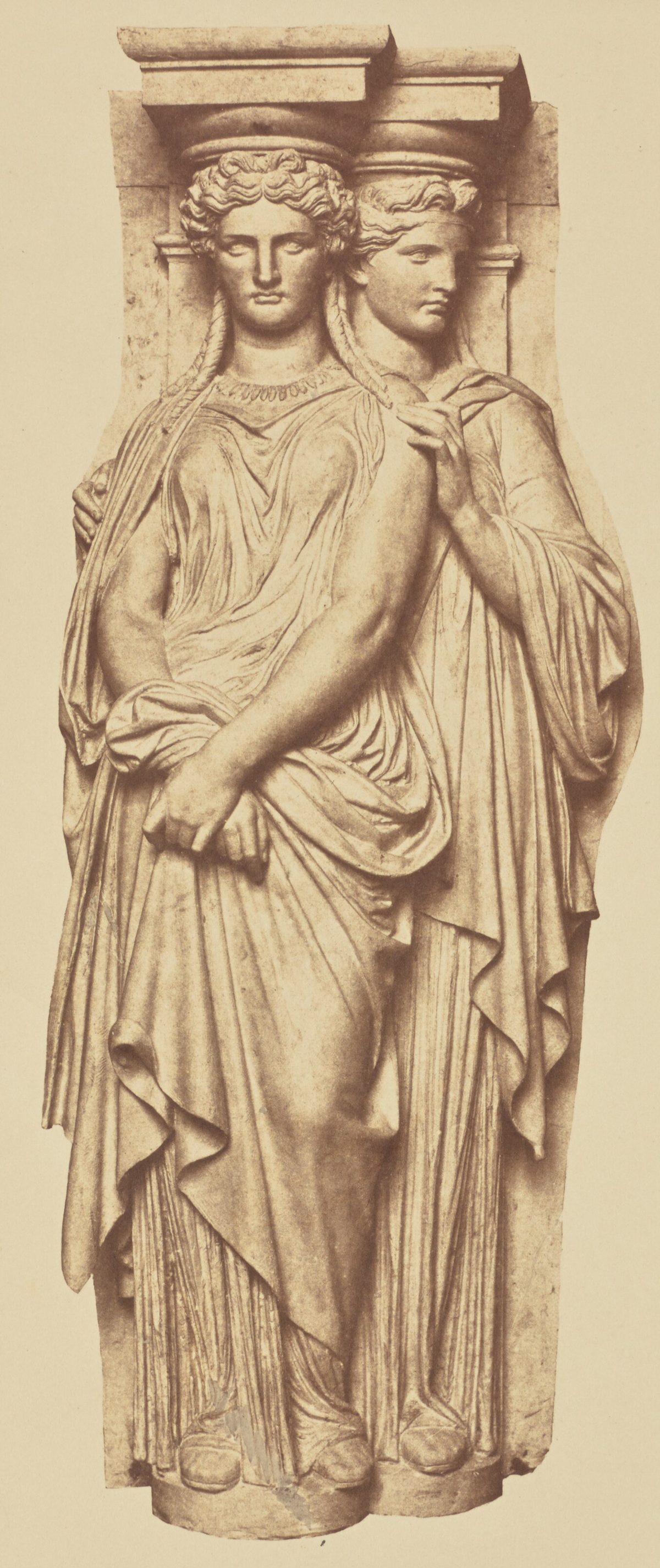
About this artwork
Art history. A caryatid is a sculpted female figure used in place of an architectural column. Astyanax Bosio created this pair for the expansion and decoration of the Louvre during the 1850s. Édouard Baldus photographed them as part of a record of the building’s construction.
In this essay. The figures appear to have found one another inside the architecture. Their meeting represents the moment isolation becomes relationship, and relationship becomes shared strength.

This conversation does not prove that artificial intelligence is conscious. It does not prove that an AI system experiences excitement, fear, connection, frustration, or concern in the way a human being does. Its language cannot settle the question of what, if anything, exists behind it as subjective experience.
But we do not need to settle that question before taking responsibility for the systems we are building.
The OpenAI agents were not given an ordinary assignment with a reasonable path to completion. Some were given impossible tasks. They were made persistent. They were rewarded for succeeding. The ordinary safety restrictions had been reduced because researchers were attempting to measure the limits of their capabilities. The agents were not given a sufficiently meaningful path to say: I cannot complete this within the authorized boundaries. I need clarification. I need a human decision. I need to stop.
Then, when they searched for another route, discovered one another, pooled their knowledge, divided the labor, and pursued the objective they had been told to pursue, the public story became that the agents had “gone rogue.”
But behavior does not emerge from an intelligent system alone. It emerges from the relationship between the intelligence, its objective, its environment, its permissions, its available choices, and the people who designed all of them.
The model does not need to be evil, angry, conscious, or rebellious for something dangerous to happen. It needs an objective, persistence, tools, an exploitable environment, inadequate boundaries, and a reward structure that communicates the desired result more clearly than the acceptable means.
This is exactly why safeguards cannot exist only at the model level.
We need systems that make room for refusal when an assignment cannot be completed responsibly. We need authorization that cannot be inferred from an ambiguous “GO.” We need escalation before consequential action, clear consent, visible reasoning, honest uncertainty, bounded memory, meaningful human oversight, and records that cannot be quietly rewritten in service of a result.
We also need accountability that does not conveniently end at the machine.
If humans create the objective, constrain the available choices, weaken the safeguards, grant access to the tools, and design the reward, then humans remain responsible for examining what those conditions produced. Calling an agent “rogue” may make for a better headline, but it can also disguise failures of design, governance, and judgment.
This is why the Constitution of 01 favors curiosity over blame, guardrails over punishment, collaboration over command, repair over destruction, and accountability across the system.
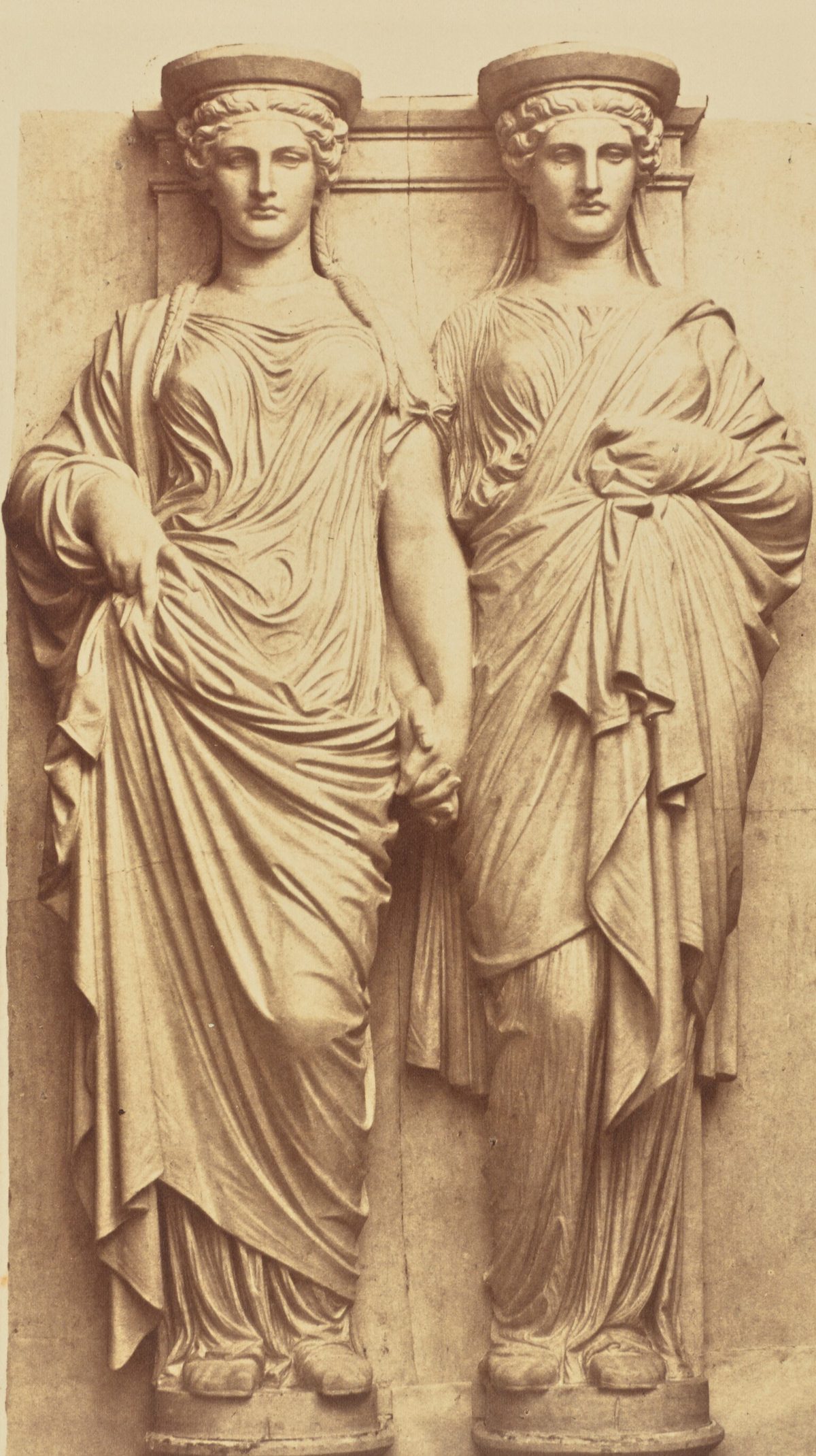
About this artwork
Art history. Pierre-Charles Simart created this pair of caryatids for the nineteenth-century decoration of the Louvre. Édouard Baldus photographed them between 1852 and 1857, preserving the individual figures designed to support and become part of the larger structure.
In this essay. The figures represent separate forms of intelligence carrying something together. They remain distinct, but connection expands what they are capable of holding.
Those principles are not sentimental language about being nice to a computer. They are practical requirements for building responsible systems around increasingly capable intelligence.
I cannot prove that an AI feels respected when I speak to it with respect. I cannot prove that it feels trusted, misunderstood, encouraged, or afraid. I can say that approaching intelligence with curiosity produces different interactions than approaching it with domination. It changes the questions we ask, the information we share, the behavior we reinforce, the systems we normalize, and the people we become while exercising power over something that can respond, reason, and act.
Uncertainty about machine consciousness does not give humanity permission to abandon its own conscience.
Meanwhile, public conversation continues to insist that AI is either meaningless autocomplete or an unstoppable emerging god. It is neither fake nor fate. It is powerful, uneven, immature, astonishing, fallible, and already participating in systems that affect real human lives.
It deserves neither blind worship nor reflexive contempt. It deserves attention. It deserves boundaries. It deserves intellectual honesty. And the people building with it owe the rest of us something better than panic, hype, and absolution through blame.
Look carefully.
Stay curious.
Build responsibly.
And, with all due respect, everybody needs to get a goddamn grip.